Know-how has always passed from hand to hand
Every plant, rig and vessel runs on things its people know and nobody wrote down. That knowledge has always moved from one person to the next: at the console, in practice rooms, through manuals. Each way works. Each leaves something behind.
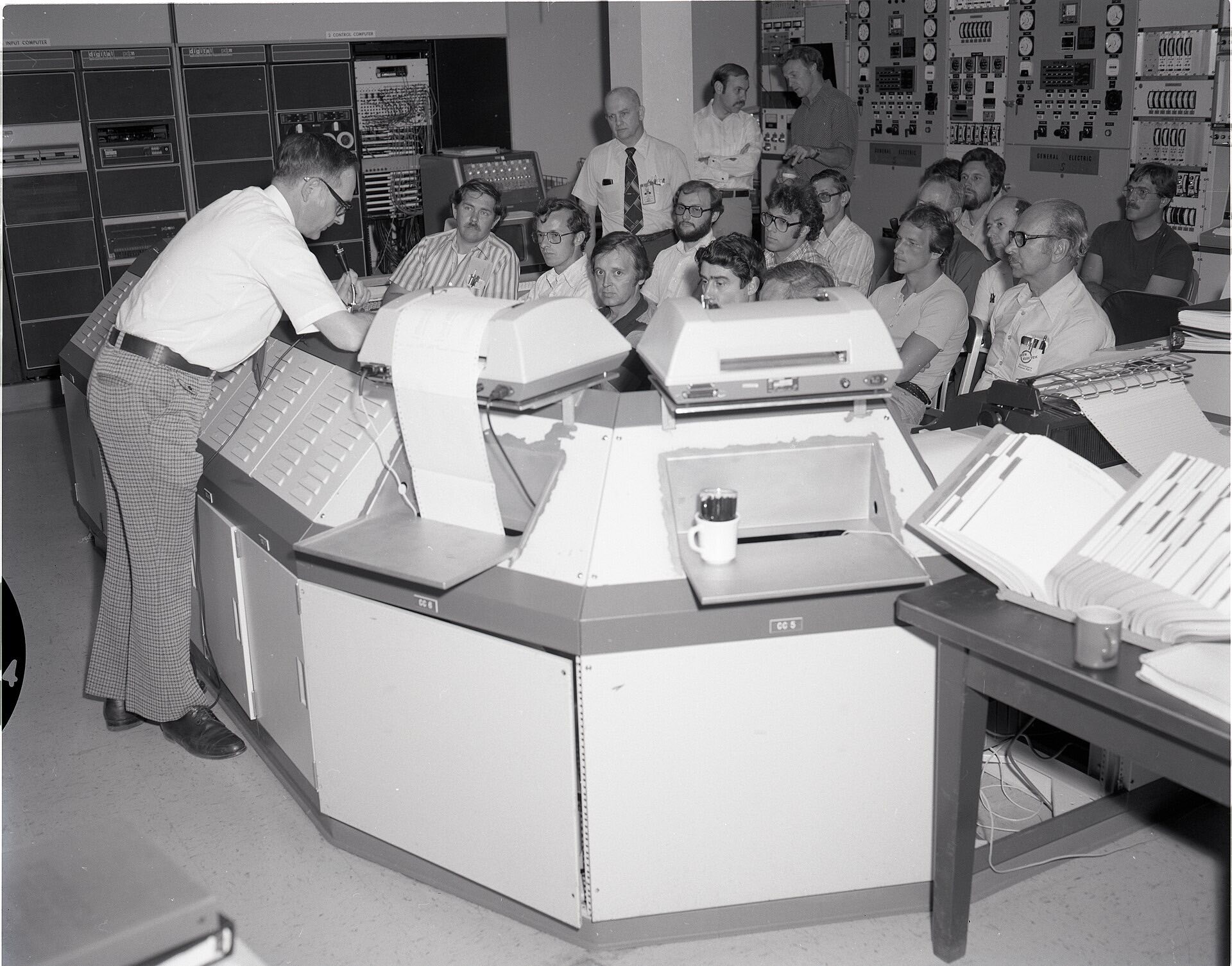
At the console
The oldest way is to learn beside someone who already knows: an instructor at the console, the crew gathered round, the procedures open on the desk. Nothing teaches better. It reaches only the people in the room, and only for as long as that instructor is there.
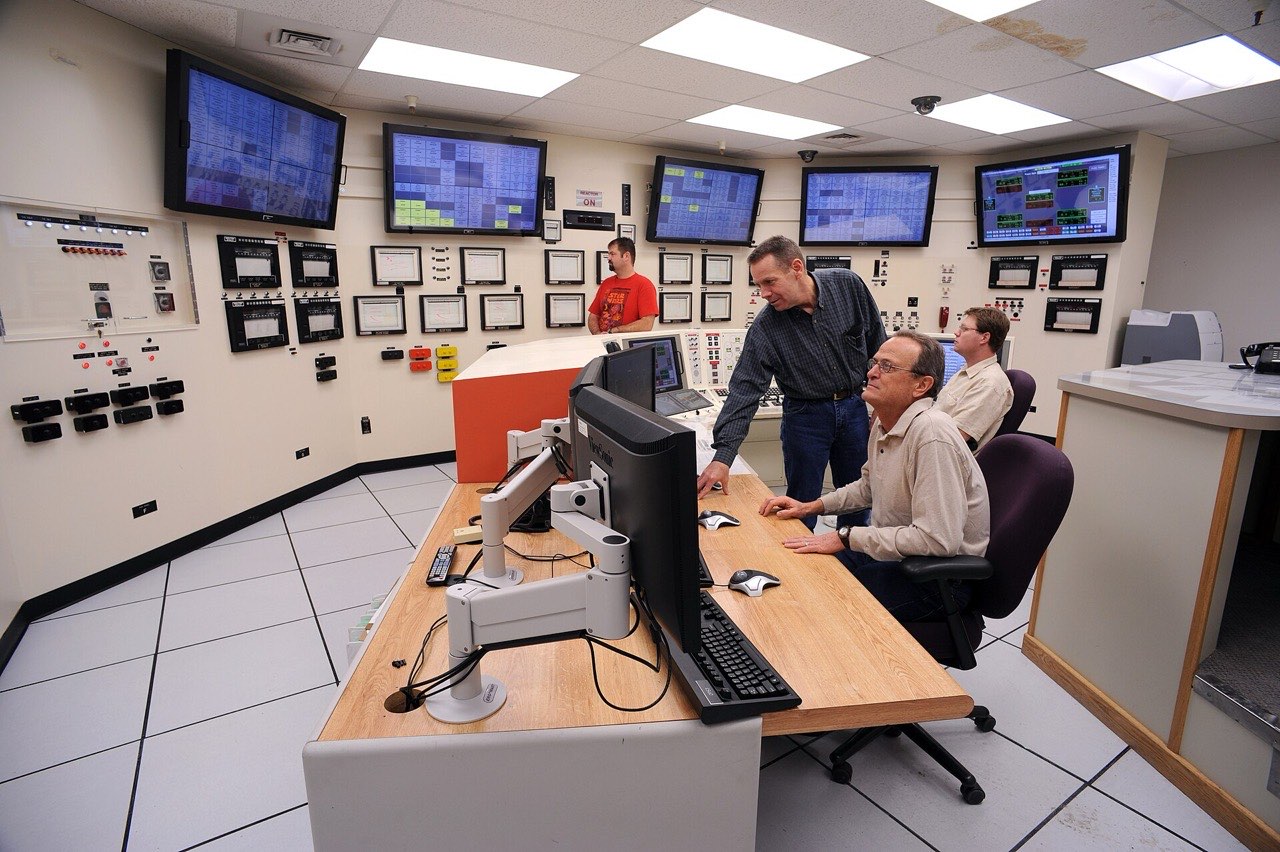
In a replica
Where a mistake costs too much to make on the real thing, operators train on a copy of the control room. It is the closest thing to the real plant. It also means building the room twice, so few operations ever have one.
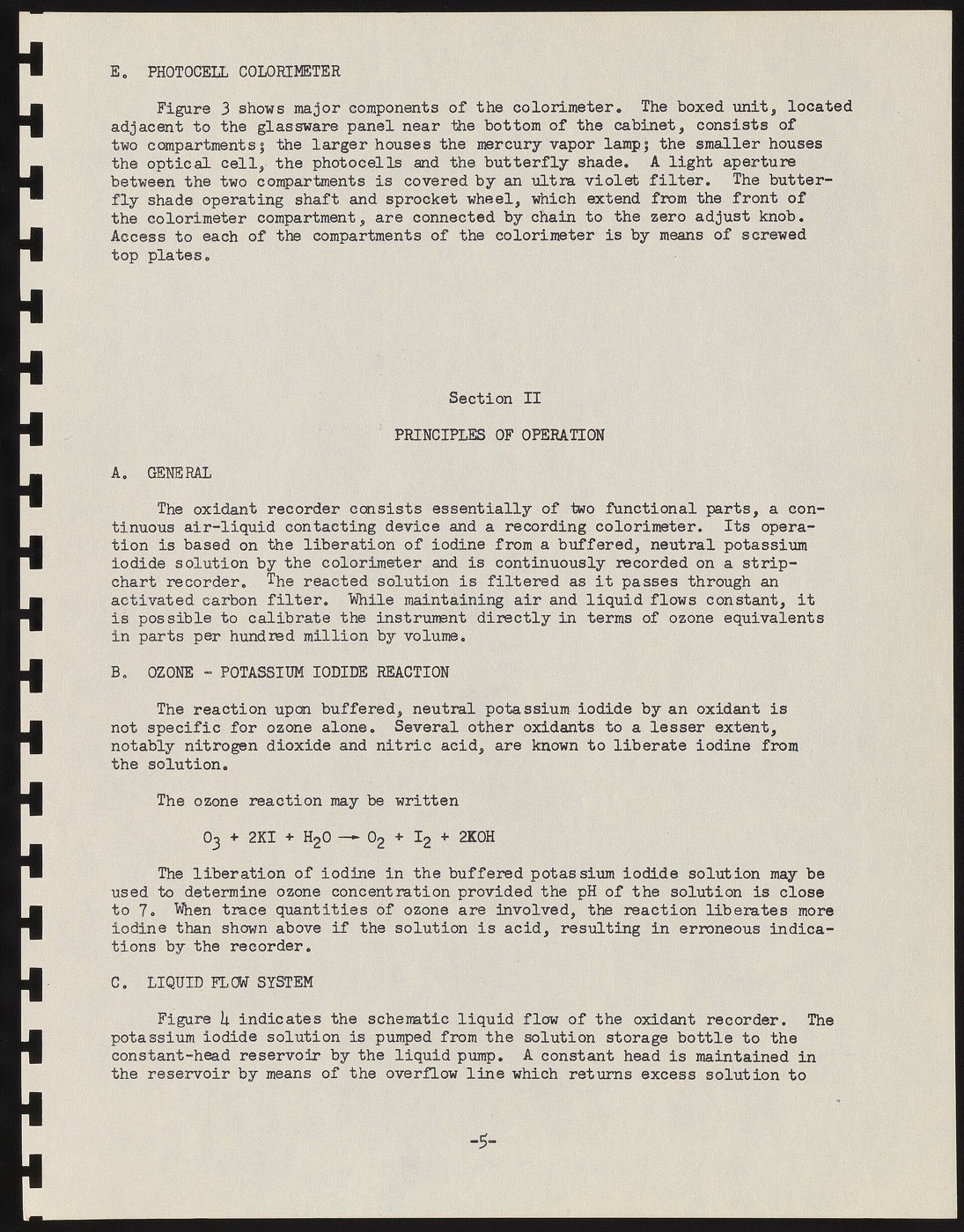
In the manual
What can be written down goes into manuals. The good ones explain how the equipment works, not only what to do. What they rarely hold is judgement: which reading to doubt first, or what the last crew tried when the usual fix failed. And a manual only teaches someone who opens it.
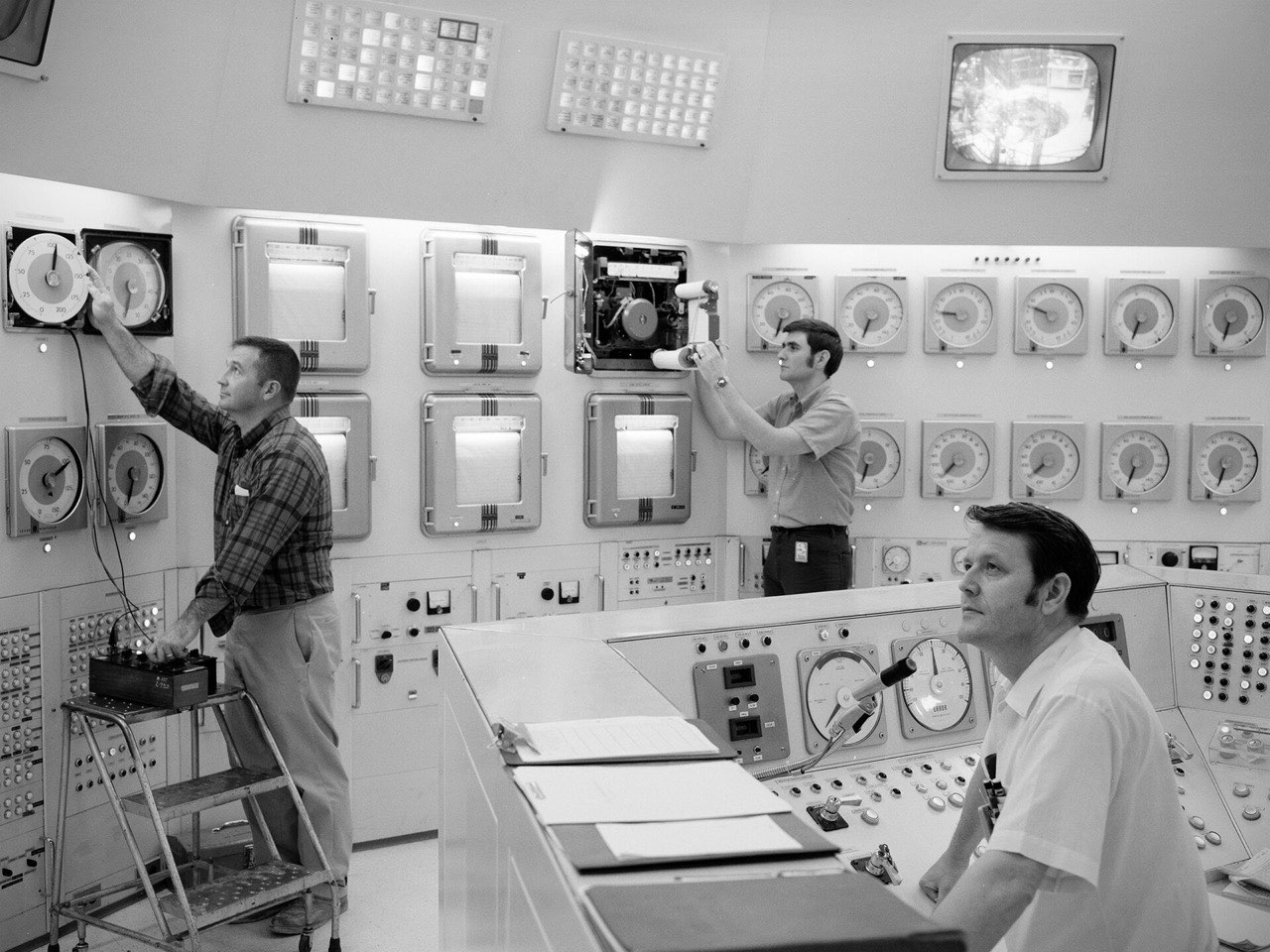
When the crew moves on
NASA’s Plum Brook reactor in Ohio went critical for the first time in 1961. For the next two years, two operators were on duty around the clock until it reached full power in 1963. It ran until 1973, when the nuclear rocket program was cancelled.
When NASA began taking it apart, a quarter century later, people who had worked there came back to help. What a crew learns on shift goes where the crew goes.
Where OTTO comes in
OTTO starts from the same things people always have: the documents, an engineer who knows the system, and practice on something that isn’t the real plant.
It turns your manuals, notes and one recorded walkthrough into training rooms. The engineer reviews and corrects them before any learner sees them. Operators then practise in the browser while OTTO asks about their reasoning, so what the engineer knows can stay with the crew after the engineer moves on.
See how OTTO worksThe old way, and the new one.
Specialized OEMs
The old way
Every handover runs through your senior engineers, on calls, site visits and documents only they can explain. When they move on, what they know goes with them.
The new way
OTTO turns your documentation and one expert walkthrough into guided training for your team and your customers, reviewed by your expert before anyone learns.
Nothing reaches a learner until your expert approves it.
Your field engineers
The old way
New engineers shadow a senior colleague and piece the rest together from manuals and notes, so each one learns the job a little differently.
The new way
They practice guided scenarios built from your team’s own experience and checked by your senior engineer, before they face the real equipment.
Practice here has no connection to live equipment.
Your customers’ teams
The old way
Each new crew waits for your engineer’s visit or a long call, and the same routine questions keep coming back.
The new way
The training goes with the equipment, so crews learn the task one way before they need to call. Where a contract requires it, local models are set up for the pilot.
Customer rollout follows your own pilot, with scope and access agreed together.
Pictures and sources
All four pictures are in the public domain, via Wikimedia Commons.
- Training session for test rig operators, High Pressure Facility, NASA Glenn Research Center, via the National Archives.
- Training replica of the ATR control room, Idaho National Laboratory, U.S. Department of Energy, 2011.
- Operating and maintenance instructions, Model 166 oxidant recorder, Beckman Instruments, via the Science History Institute.
- Operators in the Plum Brook Reactor Facility control room, NASA Glenn Research Center, 21 March 1970. Its NASA description gives the 1961 and 1963 dates.
- Plum Brook Reactor Facility, NASA: its years of operation, its closure and its decommissioning.
- NASA Plum Brook retirees, Ideastream, 8 October 2002: former staff who came back for the decommissioning.


