Language

Try a lesson with OTTO Book a demo (opens in a new tab)

How it works

From your engineers’ notes and one walkthrough to training your crews can use, approved by your expert before anyone learns from it.

Where handovers break down

OTTO turns scattered know-how into one shared map.

Your manuals and field notes each cover part of the job, and the rest lives in your engineers’ heads. Nothing links them, so every new colleague pieces together a different picture. OTTO connects your sources, the concepts behind them and the training built from them, ready to hand over.

What it costs youInconsistent understanding, gaps at handover and slower onboarding.

Your engineers are the first brain. Your manuals and notes are the second. Nothing connects the two.

Before: separate documents and unconnected knowledge

Second brainYour manuals and notes

  • Manuals
  • Field notes

Nothing connects them

First brainYour engineers

  • Start-up order
  • Why it trips
  • Who to call

With OTTO: sources, concepts and training units, connected

Sources

Concepts

Training units

I’m the third brain: one shared map that links your sources to what your team needs to learn.
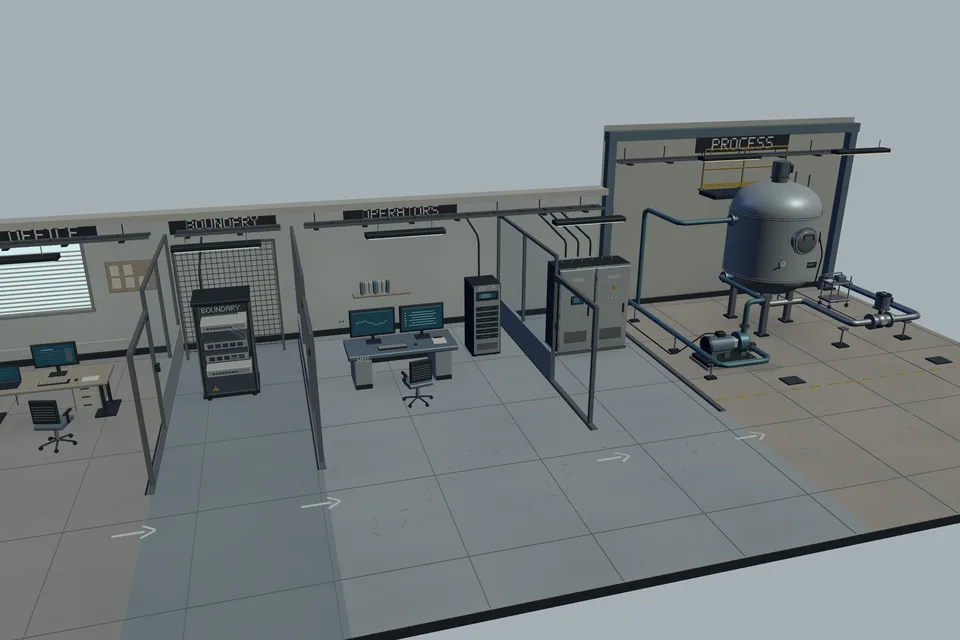
OTTO trains new colleagues without the wait.

A new engineer takes three to four years to become an expert, and learns most of it by waiting for time with the engineer who already is one. OTTO turns that engineer’s walkthrough into a room each new colleague explores on their own, whenever they are ready.

What it costs youYears of your senior engineer’s time, and new colleagues who wait before they can work alone.

A new engineer takes three to four years to become an expert, waiting on your busiest engineer’s time.

Before: the walkthrough depends on your engineer being there

With OTTO: a training room where each new colleague explores on their own

Your engineer

New colleagues, waiting for the next walkthrough

I turn that walkthrough into a room they explore on their own, without the wait.

OTTO keeps what your experts know when they are not there.

What an experienced engineer checks first, and why, rarely makes it into the documents. It is out of reach when they are off shift, and it leaves with them when they retire. OTTO keeps it in training your expert has approved, so the answer is there on every shift.

What it costs youQuestions that wait for the next shift, and know-how that leaves for good at retirement.

When your expert is off shift or retires, what they know goes with them.

Before: the answer depends on your expert being there

With OTTO: the answer stays in training your expert approved

Your expert is

Your expert

Back on the next shift

Approved training

  • Day shift
  • Night shift
  • New crew

A crew on site asks

Why does the cooling pump trip on start-up?

Check the suction valve first. The pump trips on low flow when the valve is left closed after maintenance.

From training your expert approved

I keep what your expert approved, so the answer is there on every shift.

Try it on one task your engineers keep explaining.

The four steps

Start with what you know

Bring your notes, documents and screenshots, plus a 45-minute walkthrough with your lead engineer. No polished manuals needed.

OTTO builds the course

OTTO turns your material into a course, connecting the key concepts and flagging anything that needs your expert’s attention.

Your expert reviews it

Your lead engineer reviews the course, adds what’s missing and approves it before anyone learns from it.

Your team learns

Start with your own engineers. They explore the system, practise scenarios and explain their reasoning with OTTO before you plan a customer rollout.

Try it on one task your engineers keep explaining.

How the course gets built

Company knowledge goes to the agentic harness, which drafts a syllabus for a human expert. The expert’s feedback returns to the harness until the course is approved, then learners play it in OTTO.

Company knowledge

Wikis, manuals, procedures

Knowledge

Agentic harness

Agents build the course

Draft syllabus
Feedback

Human expert

Reviews and steers

Course

OTTO

Learners play the course in the browser

Try it as the expert

A handover

Today: every new crew needs your engineer.

The equipment is delivered, but your engineer keeps explaining it on calls and site visits, again for every new crew.

  1. Crews on site call your engineer when something is unclear.
  2. The same questions come back with every new crew.
  3. The manuals cover part of it; the rest is in your engineer’s head.
  4. New projects wait while your engineer answers.